


Hey there! I'm a supplier of PE Extruded Pipe, and today I'm gonna talk about the requirements for PE extruded pipes used in sewage drainage. Sewage drainage is a crucial part of our urban and industrial infrastructure, and using the right pipes is essential to ensure the system works smoothly.
Material Properties
First off, let's talk about the material itself. PE, or polyethylene, is a popular choice for sewage pipes because of its great properties. For PE extruded pipes used in sewage drainage, the material should have high density. High - density polyethylene (HDPE) is often the go - to option. It offers excellent chemical resistance, which means it can withstand the harsh chemicals present in sewage. Sewage contains all kinds of stuff like acids, alkalis, and various organic compounds. A good PE extruded pipe PE Extruded Pipe made from HDPE won't corrode easily when exposed to these substances, ensuring a longer service life.
Flexibility is another important property. Sewage pipes are usually installed underground, and the ground can shift over time due to factors like soil settlement or natural disasters. A flexible PE extruded pipe can adapt to these ground movements without cracking. This flexibility also makes installation easier, as it can be bent to fit the layout of the drainage system.
The pipe material should also have good impact resistance. During the installation process, pipes may be dropped or hit by construction equipment. And in the long - term operation, there could be unexpected impacts from things in the sewage or external factors. A PE extruded pipe with high impact resistance can handle these situations without getting damaged.
Physical Dimensions
The physical dimensions of PE extruded pipes for sewage drainage are also strictly regulated. The diameter of the pipe is a key factor. It should be chosen based on the expected flow rate of the sewage. If the diameter is too small, it can cause blockages, especially when there is a large volume of sewage. On the other hand, if the diameter is too large, it can be a waste of materials and increase the cost. Common diameters for sewage drainage pipes range from a few centimeters to several meters, depending on the specific application, whether it's for a small residential area or a large industrial complex.
The wall thickness of the pipe is equally important. A thicker wall can provide more strength and durability, especially for pipes that will be buried deep underground where they have to withstand more pressure. But at the same time, we need to balance the cost. Thicker walls usually mean more material usage and higher costs. So, we need to select an appropriate wall thickness based on the depth of burial, the pressure in the sewage system, and the expected service life.
Mechanical Performance
PE extruded pipes for sewage drainage need to meet certain mechanical performance standards. Tensile strength is one such standard. The pipe should be able to withstand the pulling forces during installation and operation. If the tensile strength is too low, the pipe may break when being pulled into place or when there is some external force acting on it.

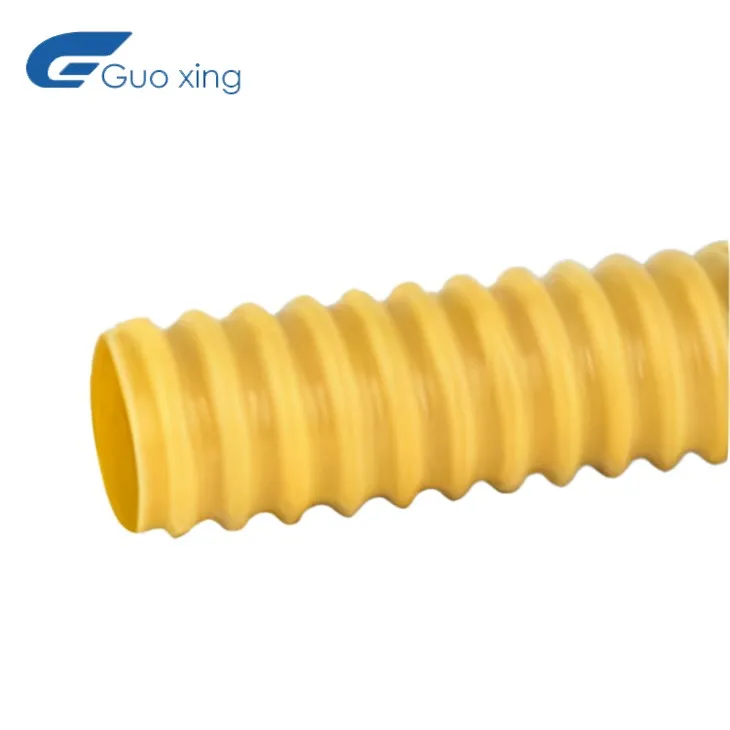
Ring stiffness is also crucial. It measures the pipe's ability to resist deformation under external pressure. In underground sewage systems, the pipes are surrounded by soil, and the weight of the soil exerts pressure on the pipes. A pipe with sufficient ring stiffness can maintain its shape and prevent it from collapsing. This is especially important for larger - diameter pipes or those installed in deep - buried conditions.
Leakage Prevention
Leakage is a big no - no in sewage drainage systems. Sewage contains harmful substances, and if it leaks into the soil or groundwater, it can cause serious environmental pollution. So, PE extruded pipes need to have good joint sealing. There are different ways to join PE pipes, such as butt fusion welding and electrofusion welding. These welding methods should create a strong and leak - proof connection between the pipes.
The pipes themselves should also be free from any cracks or holes. During the manufacturing process, strict quality control measures should be in place to ensure the integrity of the pipes. Any defect in the pipe can lead to leakage, so we need to make sure every pipe we produce meets the highest standards.
Comparison with Other PE Pipes
It's also worth comparing PE extruded pipes with other types of PE pipes, like PE Winding Pipe and PE Corrugated Pipe. PE winding pipes are often used in large - scale drainage projects. They have a unique structure that provides high ring stiffness. However, they may be more expensive to produce compared to PE extruded pipes.
PE corrugated pipes are known for their flexibility. They are easy to install and can be used in some applications where a high degree of flexibility is required. But in terms of pressure resistance and durability for long - term sewage drainage, PE extruded pipes may have an edge. They offer a better combination of strength, chemical resistance, and cost - effectiveness for most sewage drainage scenarios.
Installation and Maintenance Requirements
Proper installation is key to the performance of PE extruded pipes in sewage drainage. The pipes should be installed on a stable foundation. The trench where the pipes are laid should be well - prepared, free from sharp objects that could damage the pipes. During installation, the pipes should be aligned correctly, and the joints should be welded or connected properly according to the manufacturer's instructions.
Maintenance is also important. Regular inspections should be carried out to check for any signs of damage, blockages, or leaks. If a problem is detected early, it can be fixed before it causes a major issue. For example, if there is a small crack in the pipe, it can be repaired using appropriate methods to prevent further deterioration.
Environmental Considerations
In today's world, environmental friendliness is a big deal. PE extruded pipes are generally considered environmentally friendly. They are made from recyclable materials, and at the end of their service life, they can be recycled and used to make new products. This reduces the amount of waste going to landfills.
Also, because of their chemical resistance and leak - proof nature, they help prevent sewage from polluting the environment. By using high - quality PE extruded pipes, we can contribute to a cleaner and more sustainable environment.
Conclusion
As a supplier of PE Extruded Pipe, I understand the importance of meeting all these requirements. Whether you're working on a small - scale residential sewage project or a large - scale industrial drainage system, choosing the right PE extruded pipes is crucial. If you're in the market for PE extruded pipes for sewage drainage and want to discuss your specific needs, don't hesitate to reach out for a procurement consultation. We're here to help you find the best solutions for your project.
References
- “Handbook of Polyethylene Pipes in Water and Sewage Systems” by [Author's Name] (Year of Publication)
- “Sewage Drainage Design Guidelines” published by [Relevant Organization] (Year of Publication)


