


PU pipes, known for their flexibility, durability, and resistance to abrasion, are widely used in various industries such as automotive, manufacturing, and construction. However, these pipes are susceptible to mechanical damage, which can lead to leaks, reduced performance, and ultimately, costly replacements. As a professional PU pipe supplier, I am committed to providing high - quality products and practical solutions. In this blog, I will share some effective ways to protect PU pipes from mechanical damage.
Understanding Mechanical Damage to PU Pipes
Before delving into protective measures, it's essential to understand the common causes of mechanical damage to PU pipes. These include abrasion, impact, compression, and bending beyond the pipe's recommended radius. Abrasion occurs when the pipe rubs against rough surfaces, which can gradually wear away the outer layer of the pipe. Impact damage can result from objects striking the pipe, while compression can happen when the pipe is squeezed by heavy equipment or other objects. Bending the pipe beyond its allowable radius can cause internal stress and cracking.
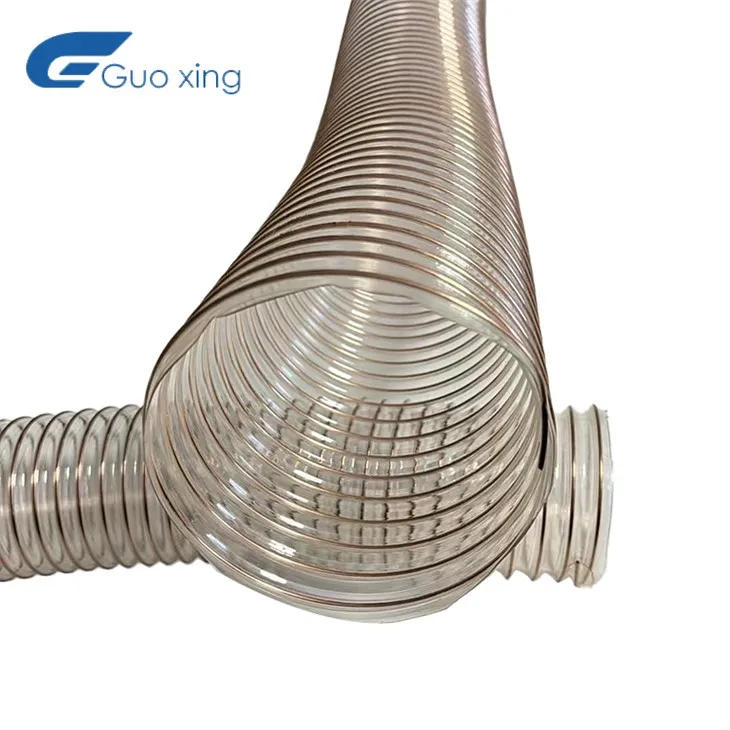

Selecting the Right PU Pipe
The first step in protecting PU pipes from mechanical damage is to choose the appropriate type of pipe for the application. Different types of PU pipes have varying levels of resistance to mechanical stress. For instance, PU Steel Hose combines the flexibility of polyurethane with the strength of steel reinforcement. This makes it highly resistant to abrasion and impact, making it suitable for applications where the pipe is likely to come into contact with rough surfaces or be exposed to potential impacts.
Our TPU Steel Hose is another excellent option. Thermoplastic polyurethane (TPU) offers enhanced flexibility and elasticity compared to traditional PU. The steel reinforcement further boosts its resistance to mechanical damage, making it ideal for applications that require a high degree of flexibility along with durability.
For less demanding applications, PU Plastic Pipe can be a cost - effective choice. It still provides good resistance to basic mechanical stresses and is suitable for use in environments where the risk of severe damage is relatively low.
Proper Installation
Proper installation is crucial for protecting PU pipes from mechanical damage. Here are some key installation tips:
- Routing: Plan the pipe route carefully to avoid sharp bends, kinks, and contact with rough or abrasive surfaces. Use appropriate supports and guides to keep the pipe in place and prevent it from sagging or rubbing against other objects. For example, when installing pipes in an industrial setting, use pipe clamps and brackets made of materials that are gentle on the PU surface, such as rubber - lined clamps.
- Bend Radius: Adhere to the manufacturer's recommended bend radius. Bending the pipe too sharply can cause internal damage, such as cracking or delamination. Use bending tools if necessary to ensure that the bend radius is within the acceptable range.
- Connection: Ensure that all connections are secure and properly sealed. Loose connections can cause the pipe to vibrate, increasing the risk of abrasion and fatigue. Use high - quality fittings and follow the correct installation procedures for each type of connection.
Using Protective Covers
Protective covers can significantly enhance the durability of PU pipes. There are several types of protective covers available, each designed to address specific types of mechanical damage:
- Abrasion - Resistant Sleeves: These sleeves are made of materials such as nylon, polyester, or rubber and can be slipped over the PU pipe. They provide a protective barrier against abrasion, preventing the pipe from coming into direct contact with rough surfaces. Abrasion - resistant sleeves are particularly useful in applications where the pipe is dragged or moved across the ground or other rough surfaces.
- Impact - Resistant Guards: For applications where the pipe is at risk of being struck by objects, impact - resistant guards can be installed. These guards are typically made of hard plastics or metals and can absorb the impact energy, protecting the pipe from damage. Impact - resistant guards are commonly used in construction sites and manufacturing plants.
- Spiral Wrap: Spiral wrap is a flexible and easy - to - install solution for protecting PU pipes. It can be wrapped around the pipe in a spiral pattern, providing protection against abrasion and minor impact. Spiral wrap is available in various materials and sizes, making it suitable for a wide range of applications.
Regular Inspection and Maintenance
Regular inspection and maintenance are essential for detecting and preventing mechanical damage to PU pipes. Here's how:
- Visual Inspection: Conduct regular visual inspections of the pipes to check for signs of damage, such as abrasions, cuts, cracks, or bulges. Pay special attention to areas where the pipe is most likely to be damaged, such as bends, connections, and areas in contact with other objects.
- Pressure Testing: Periodically perform pressure testing on the pipes to ensure that they are operating within the safe pressure range. Pressure testing can help detect any hidden leaks or weaknesses in the pipe structure.
- Cleaning and Lubrication: Keep the pipes clean and lubricated to reduce friction and wear. Use mild detergents and soft brushes to clean the pipes, and apply a suitable lubricant to moving parts or areas prone to abrasion.
Training and Education
Proper training and education for the personnel handling and using PU pipes are also important. Operators should be trained on the correct installation, handling, and maintenance procedures for the pipes. They should understand the potential risks of mechanical damage and how to take preventive measures. By raising awareness and providing education, we can reduce the likelihood of human - error - induced mechanical damage to the pipes.
Contact Us for Your PU Pipe Needs
As a PU pipe supplier, we are not only committed to providing high - quality products but also to offering comprehensive solutions to protect your pipes from mechanical damage. If you are in the market for PU pipes or need advice on protecting your existing pipes, please feel free to contact us. Our team of experts is ready to assist you in selecting the right products and implementing effective protection strategies.
References
- ASTM International. (20XX). Standard specifications for polyurethane pipes in various applications.
- Manufacturing and Engineering Handbook. (20XX). A comprehensive guide to industrial pipe systems.
- Polyurethane Association. (20XX). Technical resources on polyurethane materials and products.


