


As a seasoned supplier of PU pipes, I've witnessed firsthand the importance of proper installation. A well - installed PU pipe not only ensures optimal performance but also extends the lifespan of the pipe, saving both time and money in the long run. In this blog, I'll share with you a comprehensive guide on how to install a PU pipe properly.
Understanding Your PU Pipe
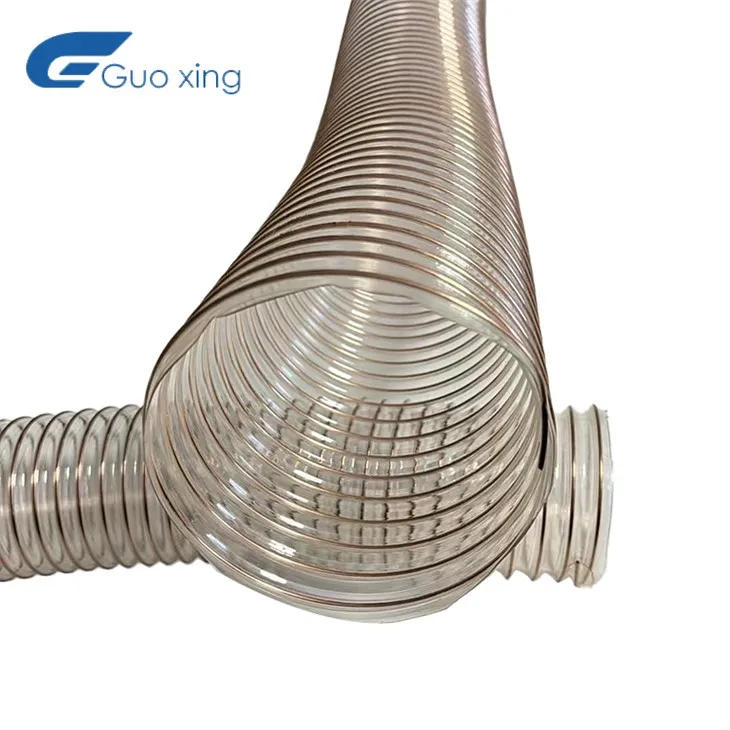
Before you start the installation process, it's crucial to understand the type of PU pipe you're working with. There are different types, such as PU Plastic Pipe, PU Steel Hose, and TPU Steel Hose. Each type has its own characteristics and installation requirements.
PU plastic pipes are lightweight, flexible, and resistant to abrasion and chemicals. They are often used in applications where flexibility is key, such as in pneumatic systems. PU steel hoses, on the other hand, combine the flexibility of PU with the strength of steel. They are suitable for high - pressure applications, like hydraulic systems. TPU steel hoses offer similar benefits to PU steel hoses but with enhanced flexibility and resistance to extreme temperatures.
Pre - installation Preparation
1. Planning the Route
The first step in a proper installation is to plan the route of the PU pipe. Consider the following factors:
- Avoid Sharp Bends: Sharp bends can restrict the flow of fluid or gas through the pipe and may cause premature wear. Try to use gentle curves instead.
- Keep Away from Heat Sources: PU pipes can be damaged by excessive heat. Make sure to keep the pipe at a safe distance from heat sources such as boilers or furnaces.
- Accessibility: Plan the route so that the pipe is easily accessible for maintenance and inspection.
2. Measuring and Cutting
Accurate measurement is essential. Use a measuring tape to determine the length of the pipe needed. When cutting the PU pipe, use a sharp pipe cutter or a fine - toothed saw. Make sure the cut is clean and perpendicular to the axis of the pipe. A rough or angled cut can lead to leaks or improper fitting.
3. Cleaning the Fittings
Before installation, clean the fittings thoroughly. Remove any dirt, debris, or rust from the inside and outside of the fittings. This will ensure a tight and leak - free connection between the pipe and the fittings.
Installation Process
1. Applying Lubricant
To ease the installation process, apply a small amount of lubricant to the outside of the pipe end and the inside of the fitting. A silicone - based lubricant is a good choice as it is compatible with most PU pipes and does not cause damage.
2. Inserting the Pipe into the Fitting
Gently insert the lubricated end of the pipe into the fitting. Make sure the pipe is fully inserted until it reaches the stop in the fitting. You may need to use a little force, but be careful not to over - insert or damage the pipe.
3. Securing the Connection
Depending on the type of fitting, you may need to use additional securing methods. For example, if you're using a compression fitting, tighten the nut on the fitting using a wrench. Make sure not to overtighten, as this can damage the pipe or the fitting. For a push - to - connect fitting, simply push the pipe into the fitting until it clicks into place.
4. Supporting the Pipe
Once the pipe is connected, it's important to support it properly. Use pipe clamps or hangers at regular intervals to prevent sagging or movement. The spacing between supports will depend on the diameter and type of the pipe, as well as the application.
Testing the Installation
After the installation is complete, it's time to test the system.
1. Pressure Testing
If the PU pipe is used in a pressure - bearing system, conduct a pressure test. Gradually increase the pressure to the recommended operating pressure and hold it for a certain period (usually 10 - 15 minutes). Check for any signs of leaks, such as drops of fluid or hissing sounds.
2. Flow Testing
For systems that involve the flow of fluid or gas, perform a flow test. Observe the flow rate and make sure it is within the expected range. Any significant deviation may indicate a problem with the installation.
Maintenance Tips
Proper maintenance is key to ensuring the long - term performance of your PU pipe.

- Regular Inspection: Check the pipe and fittings regularly for signs of wear, damage, or leaks. Look for cracks, bulges, or loose connections.
- Cleaning: Periodically clean the pipe to remove any dirt or debris that may accumulate inside.
- Re - tightening Fittings: Over time, fittings may loosen. Check and re - tighten them as needed to prevent leaks.
Troubleshooting
1. Leaks
If you notice a leak, first check the connection between the pipe and the fitting. Make sure the pipe is fully inserted and the fitting is tightened properly. If the leak persists, it may be due to a damaged pipe or fitting. In this case, replace the damaged part.
2. Reduced Flow
Reduced flow can be caused by a blockage in the pipe or a restriction due to a sharp bend. Check the pipe for any signs of blockage and try to remove it. If the problem is due to a sharp bend, consider rerouting the pipe.
Conclusion
Proper installation of a PU pipe is a multi - step process that requires careful planning, accurate measurement, and attention to detail. By following the steps outlined in this blog, you can ensure a successful installation that will provide reliable performance for years to come.
As a trusted PU pipe supplier, we are committed to providing high - quality products and professional advice. If you're interested in purchasing PU pipes or need further assistance with installation, please feel free to contact us for procurement negotiation. We look forward to working with you to meet your specific needs.
References
- "Handbook of Plastic Pipe Engineering" by B. Berins
- "Fluid Power Systems" by W. Bolton


