


Hey there! As a supplier of PVC pipe fittings, I get a ton of questions about how to work with these products. One common query is how to install an elbow on PVC pipe fittings. In this blog post, I'll walk you through the whole process step - by - step.
First off, why do we use elbows in the first place? Well, elbows are super useful when you need to change the direction of a pipeline. Whether you're setting up a plumbing system in your home, creating a DIY irrigation project, or working on an industrial piping system, elbows are a must - have.
Let's get started with the necessary tools and materials. You'll need an elbow (obviously), PVC pipes that match the size of the elbow, PVC primer, PVC cement, a pipe cutter (if you need to cut the PVC pipe to the right length), and some sandpaper or emery cloth.
Step 1: Measure and Cut
Before you start connecting anything, you gotta make sure your pipes are the right length. If you have a long piece of PVC pipe, use the pipe cutter to get it to the length you need. Make the cut as straight as possible. After cutting, use the sandpaper or emery cloth to smooth out the edges of the cut. This will help ensure a better connection when you attach the elbow.
Step 2: Clean the Surfaces
It's important to have clean surfaces before you start gluing. Take a clean rag and wipe down the inside of the elbow and the outside of the PVC pipe. This gets rid of any dust, dirt, or grease that could prevent the primer and cement from bonding properly.
Step 3: Apply the Primer
PVC primer is like a magic potion for PVC connections. It softens the surface of the PVC so that the cement can bond better. Pour a little bit of primer into a small container. Use a primer applicator brush (you can get these at any hardware store) to apply a thin, even coat of primer to the outside of the pipe end where it will go into the elbow and the inside of the elbow where the pipe will fit.
The primer will turn the PVC a chalky color. This is a good sign that it's working. Make sure to work quickly, as the primer dries fast. And don't forget, it has a strong smell, so do this in a well - ventilated area.
Step 4: Apply the Cement
Once the primer has done its job, it's time for the cement. Pour some PVC cement into another small container (never dip the brush directly into the cement container to avoid contamination). Use the cement applicator brush to apply a thin layer of cement to the same areas where you applied the primer - the outside of the pipe end and the inside of the elbow.
The cement will start to bond right away, so you need to be ready to connect the pieces.
Step 5: Connect the Pipe and Elbow
Take the primed and cemented end of the pipe and insert it into the elbow. Push it in as far as it will go and then give it a quarter - turn. This helps spread the cement evenly around the joint. Hold the pipe and elbow together firmly for about 30 seconds to give the cement a chance to start setting.
Step 6: Let It Cure
After you've connected the pieces, leave them alone for a while. The curing time depends on the temperature and humidity. In general, it takes about 24 hours for the joint to be fully cured. During this time, don't put any stress on the connection.
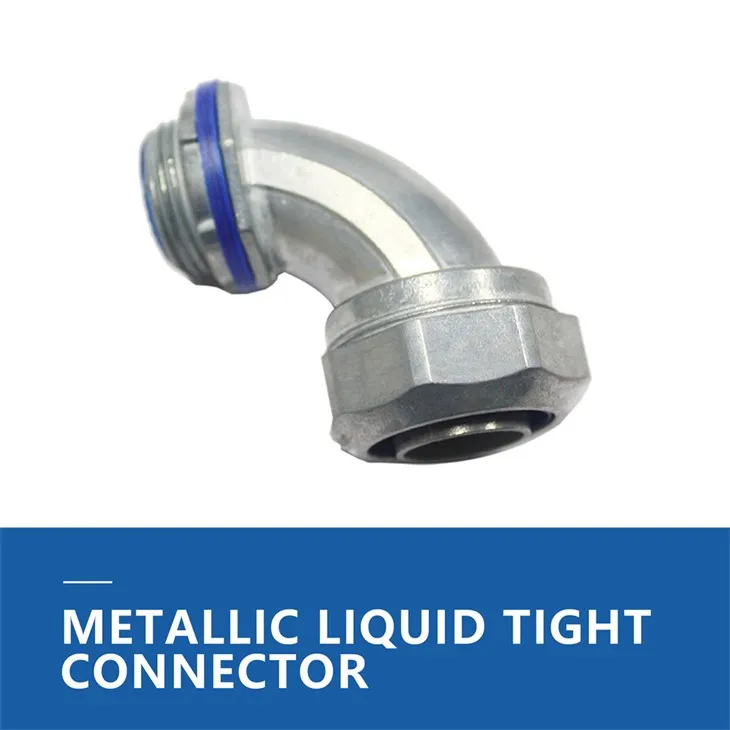
Now, let's talk about different types of elbow fittings that might come in handy for your projects. If you're dealing with situations where you need a liquid - tight connection, we've got some great options. You can check out our 3 4 Metallic Liquid Tight Connector. It's made of high - quality materials that can withstand a lot of wear and tear.
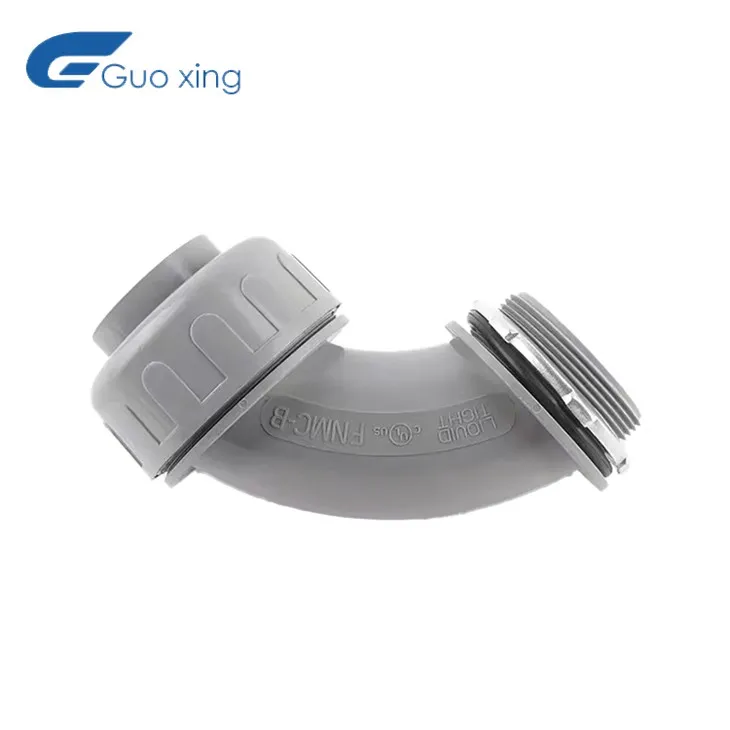
If you prefer something non - metallic, we also offer the 1 2 Non Metallic Liquid Tight Connector. It's lightweight and easy to work with, but still provides a solid liquid - tight seal.
And for those who need a 1/2 size metallic option, take a look at our 1 2 Metallic Liquid Tight Connector. It combines the strength of metal with the flexibility of PVC pipe connections.
As a PVC pipe fittings supplier, I understand that every project is unique, and you might have specific requirements. That's why we offer a wide range of products to meet your needs. Whether you're a professional contractor or a DIY enthusiast, we've got the right PVC pipe fittings for you.
If you're interested in purchasing our PVC pipe fittings, we'd love to have a chat with you. We can discuss your project in detail, help you choose the right products, and offer competitive prices. Just reach out to us, and let's start a conversation about how we can make your piping project a success.
References
- PVC Pipe Fittings Installation Guide, General Hardware Knowledge Handbook
- DIY Plumbing Projects for Beginners, Home Improvement Magazine


